Preserved since the eruption of Mount Vesuvius in 79 AD, an Ancient Roman villa, located below Positano’s church of Santa Maria dell’Assunta, has recently opened to the public. Following two excavation initiatives, taking place between 2003 – 2006 and 2015 – 2016, the villa is now accessible to visitors who can descend to ten metres below the church and make their way through what was once the summer home of an elite Roman family.
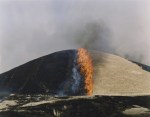
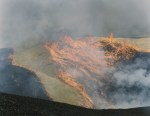
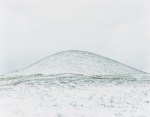
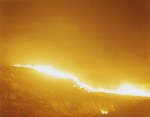
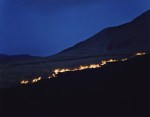
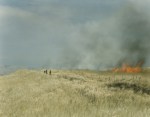
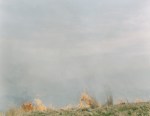
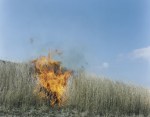
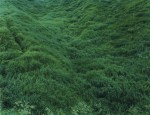
What inspired me was a dream I had one day. It was of scenery so amazingly beautiful that it made me almost scared. I woke up thinking how beautiful it was. I wasn’t sure if that location really existed, but if it did, I wanted to visit it. About six months later, I saw what I saw in my dream on TV. The location did exist. I found out that was I saw was called noyaki. It is the practice of protecting a grassland by burning a field. It has been done for about thirteen hundred years. Without noyaki, a field would turn into woods. Beautiful grassland cannot be maintained without burning the field once a year. What amazes me is that it doesn’t happen naturally but is maintained by human intervention. I am very much interested in the flow and cycle of human practices. It is not only the theme for Ametsuchi but also a foundation of all my work.







 tora42's nonsensne